In today’s competitive digital landscape, businesses cannot rely only on attractive websites to gain online visibility. Search engines evaluate websites through several ranking factors, making SEO an essential strategy for sustainable growth. Whether you are a startup, local business, or enterprise, understanding the difference between technical SEO vs on page SEO is important for achieving higher search rankings. As a trusted SEO company in Patna, Genmish India Pvt. Ltd. helps businesses optimize websites with advanced SEO practices that improve visibility, traffic, and user experience.
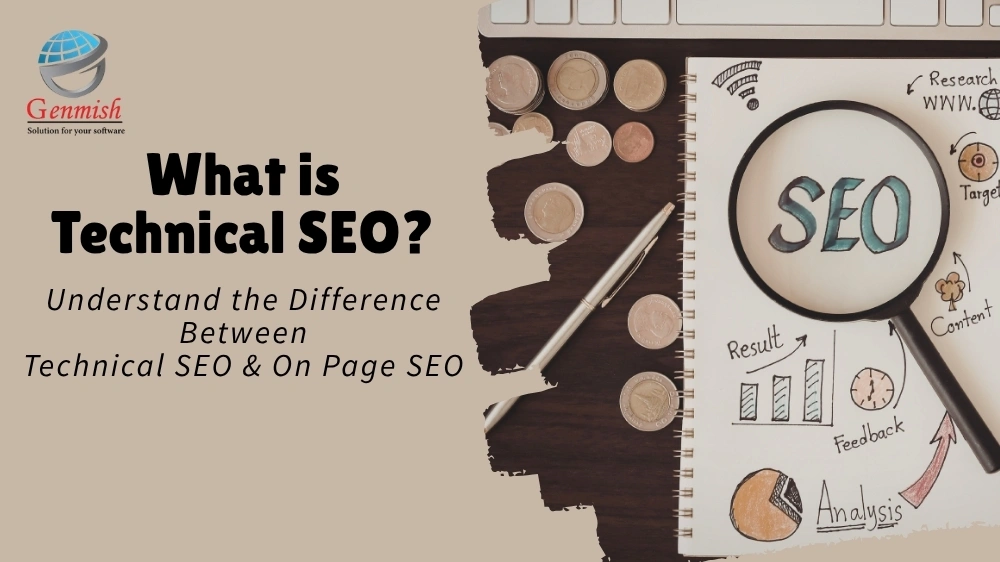
Although many people use SEO as a single term, it is actually divided into different categories. Two of the most important areas are technical SEO and on-page SEO. Both work together but focus on different aspects of optimization. Understanding how they differ can help businesses create a stronger digital presence.
What is Technical SEO?
Technical SEO refers to optimizing the technical structure and backend elements of a website so search engines can crawl, index, and understand the site effectively. It focuses on improving website performance, security, speed, mobile usability, and overall technical health.
Unlike content-focused optimization, technical SEO works behind the scenes. It ensures that search engine bots can access pages without issues and that users experience smooth navigation.
Why Technical SEO Matters
Without proper technical optimization, even high-quality content may struggle to rank on search engines.
-
Technical SEO improves:
- Website crawling and indexing
- User experience
- Site speed and performance
- Mobile responsiveness
- Website security
- Structured data implementation
- Core Web Vitals performance
Search engines like Google prioritize websites that provide fast, secure, and user-friendly experiences.
What is On Page SEO?
On-page SEO focuses on optimizing content and HTML elements on individual web pages. It helps search engines understand the relevance of content while improving readability for users.
This includes optimizing headings, keywords, meta tags, URLs, images, and internal linking structures.
Importance of On Page SEO
Good on-page optimization helps search engines identify what your page is about. It also improves user engagement and increases the chances of ranking for targeted keywords.
-
On-page SEO supports:
- Better keyword targeting
- Higher click-through rates
- Improved content relevance
- Enhanced readability
- Stronger user engagement
- Increased organic traffic
Technical SEO vs On Page SEO
Understanding the difference between on page SEO vs technical SEO is essential for building a complete SEO strategy.
Technical SEO
Technical SEO focuses on backend optimization and website infrastructure.
-
Main Areas:
- XML sitemaps
- Website speed optimization
- HTTPS security
- Mobile responsiveness
- Structured data
- Canonical tags
- Crawlability
- Indexing issues
- Core Web Vitals
On Page SEO
On-page SEO mainly concentrates on optimizing content and individual web pages.
-
Main Areas:
- Keyword placement
- Meta titles and descriptions
- Heading tags
- Internal linking
- Content quality
- Image optimization
- URL structure
- User readability
Technical SEO Checklist
A proper technical SEO checklist helps ensure your website meets modern search engine requirements.
1. Improve Website Speed
Page speed is a major ranking factor. Optimize images, activate browser caching, and minimize extra scripts to enhance website speed.
2. Use HTTPS Security
Secure websites increase user trust and contribute to improved rankings on search engines. Install SSL certificates to enable HTTPS.
3. Optimize Mobile Responsiveness
Google uses mobile-first indexing, making responsive design essential for SEO success.
4. Create XML Sitemap
An XML sitemap helps search engines discover important pages quickly.
5. Fix Crawl Errors
Regularly monitor crawl errors through Google Search Console and resolve broken links or indexing issues.
6. Implement Structured Data
Schema markup helps search engines better understand website content and improves rich search results.
7. Optimize Core Web Vitals
Core Web Vitals measure user experience factors like loading speed, visual stability, and interactivity.
8. Use Canonical Tags
Canonical tags prevent duplicate content issues by indicating the preferred version of a page.
This technical seo checklist helps create a solid technical foundation for search engine visibility.
On Page SEO Checklist
An effective on page SEO checklist improves content relevance and helps pages rank for targeted keywords.
1. Optimize Meta Titles
Meta titles should include primary keywords naturally while staying attractive for users.
2. Write Compelling Meta Descriptions
A clear meta description improves click-through rates from search results.
3. Use Proper Heading Structure
Use H1, H2, and H3 tags properly to organize content for readers and search engines.
4. Maintain Keyword Relevance
Use keywords naturally throughout the content without overstuffing.
5. Improve Internal Linking
Internal links help users navigate and distribute page authority across the website.
6. Optimize Images
Use descriptive alt text and compress images for faster loading.
7. Create SEO-Friendly URLs
URLs should be short, readable, and keyword-focused.
8. Publish High-Quality Content
Content should provide value, answer user queries, and maintain readability.
Following this on page SEO checklist helps improve visibility and engagement.
On Page SEO vs Technical SEO: Which is More Important?
Many businesses ask whether technical SEO or on-page SEO is more important. In reality, both play an equally important role.
A technically strong website without quality content may fail to engage users. Similarly, excellent content on a poorly optimized website may never rank properly.
Technical SEO ensures that search engines can access and understand your website, while on-page SEO helps search engines evaluate content relevance.
For the best results, businesses should integrate both strategies into their SEO campaigns.
How On Page SEO and Technical SEO Function Together
SEO success depends on the combination of technical optimization and content optimization.
-
For example:
- Technical SEO improves site speed.
- On-page SEO improves content quality.
- Technical SEO enables proper indexing.
- On-page SEO increases relevance for keywords.
- Technical SEO enhances mobile performance.
- On-page SEO improves user engagement.
When both strategies work together, websites achieve stronger rankings and better user experiences.
Common Technical SEO Mistakes
Businesses often overlook technical issues that affect rankings.
-
Common Errors Include:
- Slow-loading pages
- Broken links
- Duplicate content
- Missing sitemap
- Poor mobile usability
- Incorrect redirects
- Missing schema markup
- Crawl errors
Routine audits assist in detecting and fixing these issues.
Why Businesses Need Professional SEO Services
SEO requires continuous monitoring, optimization, and strategy updates. Search engine algorithms change regularly, making professional expertise important for long-term success.
As a leading SEO company in Patna, Genmish India Pvt. Ltd. provides complete SEO solutions including technical audits, on-page optimization, keyword research, content strategy, and performance tracking.
-
Professional SEO services help businesses:
- Improve search rankings
- Increase website traffic
- Generate quality leads
- Enhance user experience
- Build online credibility
- Achieve long-term digital growth
Conclusion
Understanding technical SEO vs on page SEO is essential for creating a successful digital marketing strategy. Technical SEO improves website performance and search engine accessibility, while on-page SEO enhances content relevance and user engagement. Companies using both strategies together can gain higher rankings, increased website traffic, and better online presence.
If you want expert guidance for website optimization, Genmish India Pvt. Ltd. is a reliable SEO company in Patna providing customized SEO services for businesses of every scale.